How Compression Molds Revolutionize Plastic Fabrication
The Basics of Compression Molding
Understanding the Compression Molding Process
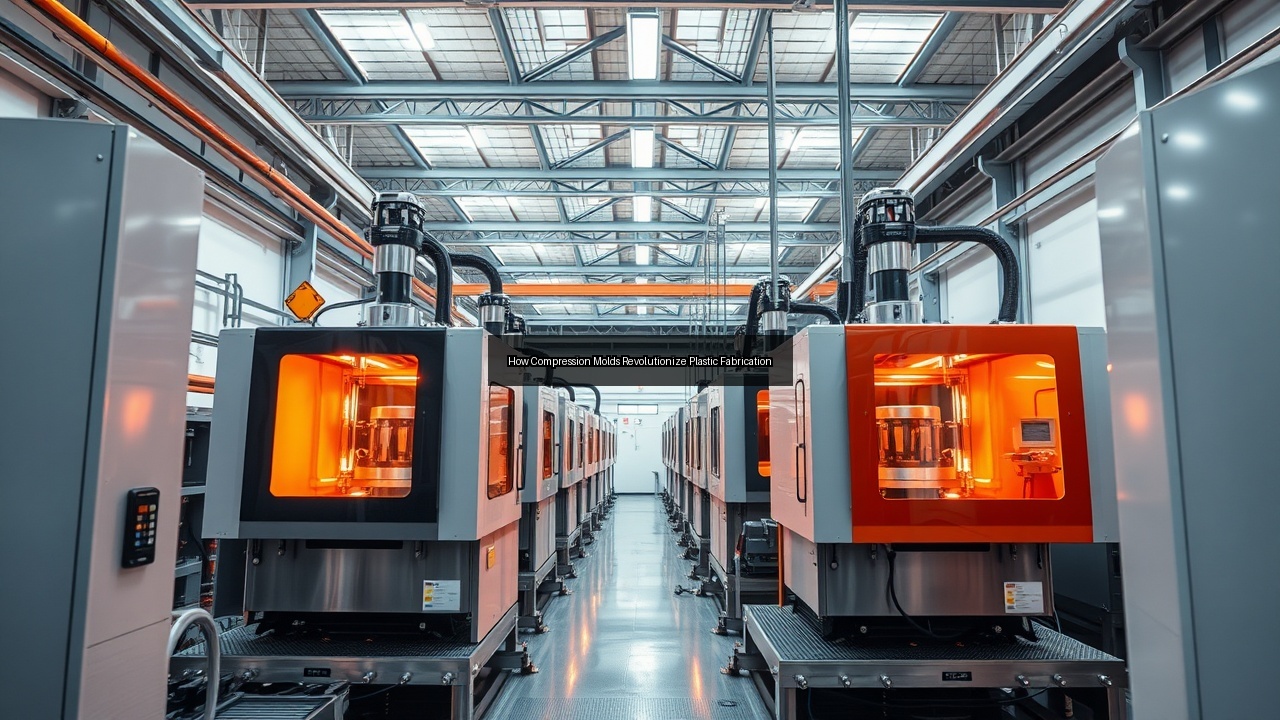
Compression molding stands out as a pivotal technique in the realm of plastic fabrication. This method involves placing a pre-measured amount of plastic material into a heated mold cavity. Once the material is inserted, the mold is closed with considerable pressure, forcing the plastic to conform to the shape of the mold. This process not only allows for the creation of intricate designs but also ensures the plastic is evenly distributed throughout the mold. As the material heats, it undergoes a curing process that solidifies the plastic into its final form. The compression molding process is particularly effective for producing large parts and components, making it a preferred choice among manufacturers. Its versatility extends to various plastic materials, enabling the production of diverse products ranging from automotive components to everyday items.
Key Components of Compression Molds
Understanding the key components of compression molds is essential for grasping how this technique works. A typical compression mold consists of two halves: the cavity and the core. The cavity shapes the outer surface of the molded part, while the core shapes the inner details. Additional elements include the mold base, which provides stability and support, and heating elements that ensure the mold reaches the necessary temperatures for effective molding. The design of compression molds can vary widely based on the specific application. Factors like cooling channels, venting systems, and precise dimensions all play critical roles in achieving the desired results. Properly designed compression molds not only enhance production efficiency but also minimize defects in the final products.
Differences Between Compression Molding and Injection Molding
Compression molding and injection molding are two prominent techniques in plastic fabrication, yet they differ significantly in their processes and applications. In injection molding, plastic pellets are melted and injected into a closed mold under high pressure. This method is ideal for producing intricate parts with high precision, particularly in high-volume production. In contrast, compression molding starts with pre-formed plastic, which is then heated and compressed, making it more suitable for larger parts and simpler designs. The energy consumption in compression molding tends to be lower, whereas injection molding typically requires more energy due to the high pressures involved. Manufacturers often choose between these processes based on the specific requirements of their projects, including part complexity, production volume, and material type.
Advantages of Compression Molding in Plastic Fabrication
Cost-Effectiveness for Manufacturers
Cost-effectiveness ranks among the most significant advantages of compression molding in plastic fabrication. This method often requires less initial investment compared to injection molding, particularly when it comes to mold design and production. Compression molds typically have a simpler design, which translates to lower manufacturing costs. Additionally, the process allows for the use of less expensive materials without compromising quality. Manufacturers benefit from shorter cycle times and reduced wastage, as the method optimizes material use. These factors combined make compression molding an attractive option for businesses looking to maintain profitability while producing high-quality products. The overall operational efficiency and lower material costs ensure that manufacturers can remain competitive in a fast-paced market.
Versatility in Material Use
Compression molding offers unparalleled versatility in material use, accommodating a wide variety of plastics. Manufacturers can utilize thermosetting compression molding process and thermoplastic materials, allowing for flexibility in product design and functionality. Commonly used materials in compression molding include phenolic resins, epoxies, and silicone rubber, each chosen for their unique properties that suit specific applications. This adaptability makes it possible to create products that meet diverse performance requirements, from heat resistance to chemical stability. Furthermore, the ability to incorporate fillers and reinforcements enhances material characteristics, making compression molded products suitable for demanding environments. This versatility in material selection broadens the scope of applications for compression molding across various industries.
High-Quality Finish and Design Flexibility
Compression molding delivers a high-quality finish that meets the rigorous standards demanded by today’s market. The controlled heating and pressure involved in the process ensure that the finished product exhibits excellent surface quality. Manufacturers can achieve intricate designs with fine details, catering to various aesthetic and functional requirements. The mold design can be customized to include features such as textures, logos, or specific geometries, enhancing the product’s appeal. This design flexibility allows businesses to differentiate their offerings in a competitive landscape. Additionally, the ability to produce large parts in one piece reduces the need for assembly, further streamlining the production process. High-quality finishes combined with design flexibility make compression molding a preferred choice for manufacturers across multiple sectors.
Applications of Compression Molding Across Industries
Utilization in Food and Beverage Packaging
Compression molding finds extensive use in the food and beverage packaging industry, providing solutions that meet stringent safety and quality standards. This method allows manufacturers to create durable and lightweight packaging materials that protect products while also being cost-effective. Compression molded containers, lids, and other packaging components are designed to withstand varying temperatures and resist chemicals, ensuring product integrity. The ability to mold complex shapes also aids in creating user-friendly packaging that enhances convenience for consumers. With the increasing focus on sustainability, manufacturers leverage compression molding to produce recyclable packaging options, aligning with eco-friendly initiatives. This growing trend positions compression molding as a crucial technology in the food and beverage sector.
Role in Medication and Healthcare Products
The healthcare sector benefits significantly from compression molding, particularly in the production of medication packaging and medical devices. Compression molded components offer the necessary precision and reliability required in healthcare applications. For instance, pill bottles, caps, and seals produced through this method ensure the safety and efficacy of medications. Additionally, medical devices such as syringes and O-rings utilize compression molding for their production, ensuring sterility and compliance with healthcare regulations. The ability to mold complex geometries helps create ergonomic designs that enhance usability. As the demand for innovative healthcare solutions grows, compression molding continues to play a vital role in developing products that prioritize safety and efficiency.
Innovations in Hardware Components and O-Rings
In the realm of hardware components, compression molding enables the production of parts that require durability and precision, such as O-rings and seals. These components must withstand varying pressures and temperatures, making compression molding an ideal choice due to its ability to produce strong, reliable parts. Manufacturers can customize the material composition to enhance properties like flexibility and temperature resistance, ensuring optimal performance in diverse applications. Innovations in compression molding technology have led to the development of advanced materials that further improve the quality and lifespan of hardware components. As industries strive for improved efficiency and reliability, compression molding remains integral to producing high-performance hardware solutions.
Choosing the Right Compression Molding Service
Factors to Consider When Selecting a Molding Service
Selecting the right compression molding service is crucial for achieving desired outcomes in plastic fabrication. Several factors play a role in this decision-making process. First, assess the service provider's experience and expertise in handling specific materials and designs. A well-established company with a proven track record can offer valuable insights and advice on optimizing designs for compression molding. Additionally, consider the provider's capabilities in terms of mold design and manufacturing. The ability to produce high-quality molds tailored to your specifications will directly impact the efficiency and quality of the final products. Lastly, evaluate customer service, turnaround times, and pricing structures to ensure you partner with a molding service that aligns with your project needs.
The Future of Compression Molding in Manufacturing
The future of compression molding in manufacturing looks promising, driven by technological advancements and increasing demand for sustainable practices. As manufacturers seek ways to improve efficiency and reduce costs, innovations in molding techniques will enhance the capabilities of compression molding. Automation and smart manufacturing technologies are likely to streamline processes, increase precision, and reduce production times. Moreover, the growing emphasis on eco-friendly materials will drive the development of new plastics suitable for compression molding. As industries continue to evolve, compression molding will adapt to meet changing demands, solidifying its position as a vital process in the plastic fabrication landscape.
Success Stories: Companies Transforming with Compression Molding
Numerous companies have transformed their production processes by leveraging compression molding services. For example, a leading automotive manufacturer shifted to compression molding for producing dashboard components, achieving significant cost savings and improved quality. Another success story involves a medical device company that utilized compression molding to create O-rings for their products, resulting in enhanced durability and performance. These transformations illustrate how embracing compression molding can lead to operational efficiencies and product innovations. As more businesses recognize the benefits of this molding process, the impact of compression molding on various industries will continue to expand.
See Also
- Why Compression Molding is the Go-To Choice for Durable Hardware
- Unlocking the Future of Manufacturing with Compression Molding Services
- Top Considerations When Choosing a Compression Molding Manufacturer
- Compression Molding vs Injection Molding Which is Right for Your Project
- Maximizing Efficiency with Custom Compression Mold Design