Why High Carbon Steel is Essential for Specific Applications
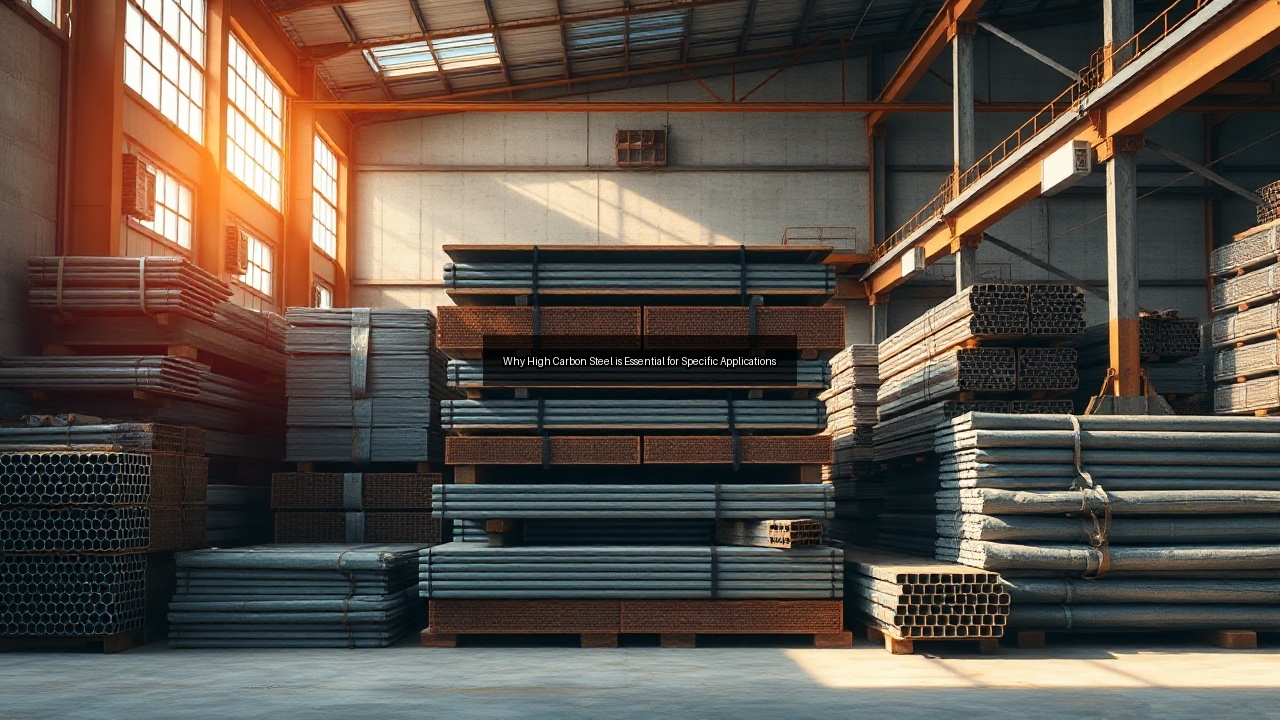
Understanding High Carbon Steel
What is High Carbon Steel?
High carbon steel contains a carbon content that typically ranges from 0.60% to 1.00%. This increased carbon percentage significantly enhances the steel's hardness and strength, making it ideal for applications that require durability and resilience. Unlike low carbon steel, which contains less than 0.30% carbon, high carbon steel exhibits remarkable wear resistance and can be heat-treated to further improve its mechanical properties. Industries that demand high-performance materials often turn to high carbon steel for its ability to withstand stress and abrasion. This steel variant is not only robust but also versatile, making it a favored choice in manufacturing critical components across various sectors.
Comparison with Low and Medium Carbon Steel
Understanding the differences between high carbon steel, low carbon steel, and medium carbon steel is essential for selecting the right material for specific applications. Low carbon steel, with its carbon content below 0.30%, is more ductile and malleable, making it suitable for applications requiring bending and shaping. In contrast, medium carbon steel, with a carbon range of 0.30% to 0.60%, strikes a balance between strength and ductility. High carbon steel surpasses both in hardness and tensile strength, making it suitable for tools, blades, and other items where wear resistance is crucial. Each type of carbon steel has distinct characteristics that cater to various industrial needs, highlighting the importance of selecting the appropriate grade for the intended application.
Chemical Composition and Properties
The chemical composition of high carbon steel primarily consists of carbon, manganese, and iron. The carbon content plays a pivotal role in determining the steel's hardness, while manganese enhances its strength and toughness. High carbon steel often contains minimal amounts of other alloying elements, which allows for a high degree of hardness and wear resistance. This composition makes high carbon steel suitable for heat treatment processes, where it can undergo hardening through quenching, resulting in a material that can endure extreme conditions. The properties derived from its chemical makeup also make high carbon steel an ideal choice for applications requiring high performance and durability, such as in the manufacturing of cutting tools and industrial machinery.
Applications of High Carbon Steel
Construction and Infrastructure Uses
High carbon steel plays a vital role in the construction and infrastructure sector. Its superior strength and durability make it an excellent choice for reinforcing structures, ensuring they withstand the test of time and environmental stressors. In the construction of bridges, buildings, and roads, high carbon steel is often used in the form of steel beams, rebar, and steel sheets. These components provide essential support and stability, which are crucial in maintaining structural integrity. Additionally, when exposed to various weather conditions, high carbon steel's ability to resist deformation and wear makes it a preferred material for infrastructure projects. The reliability and performance of high carbon steel contribute significantly to the safety and longevity of constructed environments.
Transportation and Automotive Applications
The transportation industry heavily relies on high carbon steel for manufacturing various components that demand strength and resilience. In automotive applications, high carbon steel is used in parts such as gears, axles, and suspension systems, where durability is paramount. The high tensile strength and wear resistance of this steel type help in enhancing vehicle performance and longevity. Beyond vehicles, high carbon steel is also utilized in the production of rail tracks and freight containers, where it withstands heavy loads and harsh operational conditions. The combination of strength and lightweight properties makes high carbon steel an indispensable material in the transportation sector, ensuring safe and efficient movement of goods and people.
Welded Structures and Manufacturing
In manufacturing, high carbon steel is essential for creating welded structures that require a high degree of strength and rigidity. The material's ability to be welded effectively allows for the construction of complex shapes and forms needed in various industrial applications. High carbon steel is often used in fabricating machinery, equipment, and tools that must endure tough operational environments. The welding properties of high carbon steel enable manufacturers to create robust joints that maintain structural integrity under stress. Moreover, the versatility of high carbon steel allows for its use in creating components for various industries, including aerospace, heavy machinery, and construction. This adaptability makes it a favored choice among manufacturers seeking reliable and high-performance materials.
The Role of Carbon Steel Distributors
Finding a Reliable Carbon Steel Supplier
Choosing the right carbon steel distributor is crucial for accessing high-quality materials that meet industry standards. A reliable supplier not only provides a diverse range of carbon steel products but also ensures that materials undergo rigorous quality control processes. When searching for a carbon steel distributor, consider factors such as product availability, pricing, and customer service. Local distributors often offer advantages, including quick delivery times and personalized support. Additionally, a supplier with a strong reputation in the industry can provide insights into the best types of carbon steel for specific applications, helping you make informed decisions that align with your project requirements.
Benefits of Working with a Carbon Steel Distributor
Partnering with a carbon steel distributor brings numerous advantages for businesses seeking to procure high carbon steel and other related products. Distributors often have established relationships with manufacturers, allowing them to offer competitive pricing and a wide selection of materials, including sheets, pipes, and alloy steel. Furthermore, these distributors typically possess in-depth knowledge of the steel industry, enabling them to provide valuable guidance on material selection and specifications. Working with a carbon steel supplier also streamlines the procurement process, making it easier to manage inventory and ensure timely delivery of materials to meet project deadlines. This collaborative relationship fosters efficiency and reliability in sourcing high carbon steel for various applications.
Carbon Steel Products: Types and Specifications
Carbon steel distributors offer a variety of products tailored to meet the diverse needs of industries. High carbon steel products include sheets, bars, plates, and pipes, each designed for specific applications. For instance, high carbon steel sheets are commonly used in manufacturing tools and blades, while bars may serve in construction and automotive components. Specification standards, such as ASTM or ISO, often dictate the quality and performance requirements for these products. Distributors ensure that their offerings comply with these standards, carbon steel products distributor providing customers with confidence in the materials they procure. By understanding the types and specifications of carbon steel products available, businesses can make informed choices that align with their operational needs.